Talespinner Companions Tier List
Spirits change rules—rank them as guidance, not law.
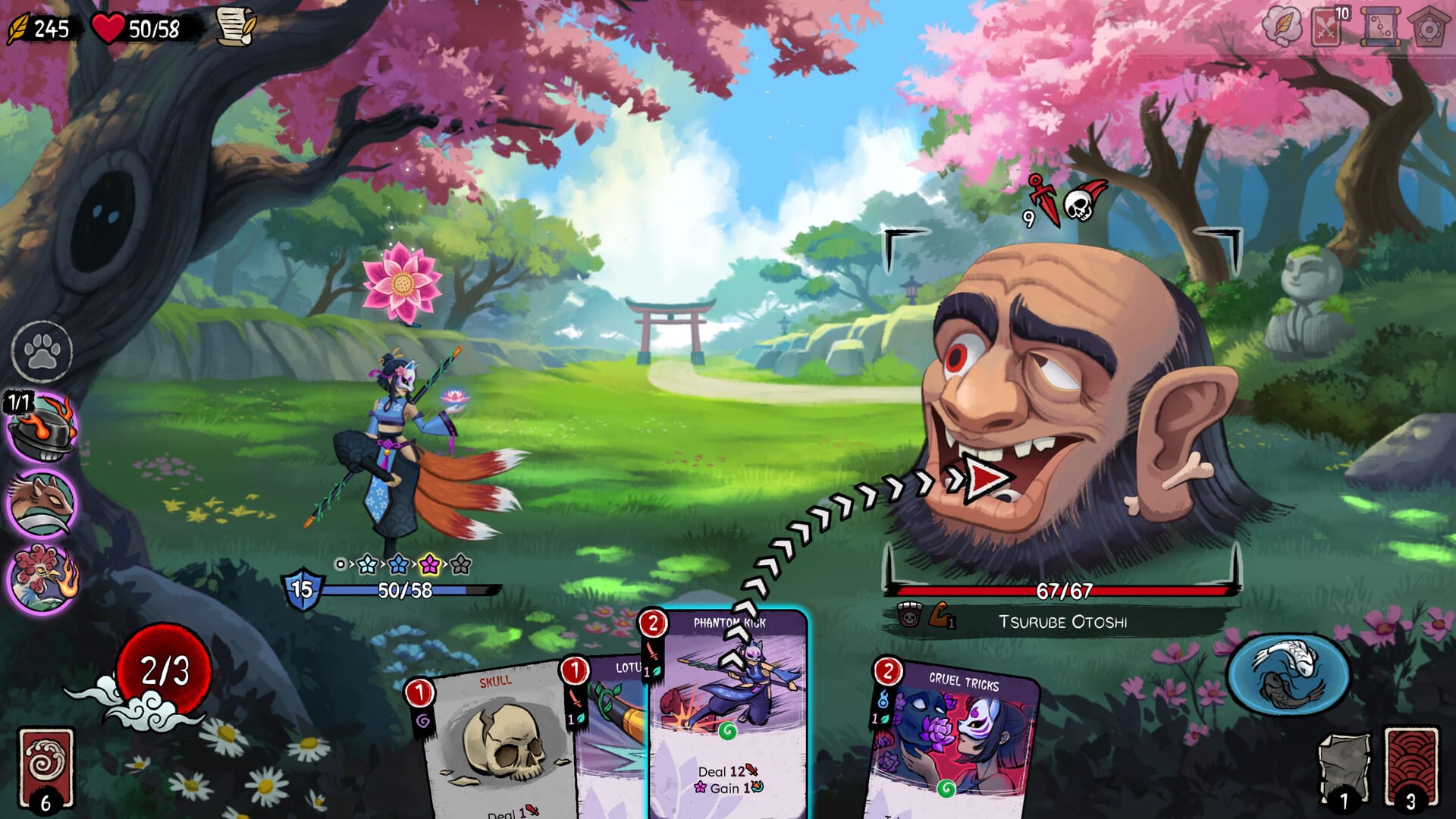
Talespinner advertises more than fifty companions—yokai allies, odd trinkets, and narrative spirits that alter combat or events when recruited through charm branches, Storybook pages, or special encounters. Companions are not cosmetic. They can add passive block, tax your HP, unlock companion slots in shops (a demo shop addition), or reshape whether you should fight or charm the next yokai.
This tier list is wiki guidance for launch on Steam and Switch. Developer posts highlight at least one high-risk example—the Okuri Inu—while store pages promise a wide menagerie including mundane objects treated as allies. Rankings will shift as the community maps the full roster post-launch.
How companions enter a run
Most companions arrive from charm outcomes or events rather than standard combat rewards. That ties companion planning to guides like Charm vs Fight Yokai and Storybook Encounters. Spending Story Points on nodes that spawn charm opportunities is a deliberate build choice—see Builds Tier Guidance.
Shops can add companion slots per demo patch notes, letting you carry more spirits simultaneously. Slot scarcity makes D-tier companions actively harmful—they block better spirits from sitting in your loadout.
Tier bands for companions
S tier — Run-shaping passives with low downside. Examples in preview material include companions that grant reliable block or scaling damage without taxing HP every turn. These spirits belong in charm-control shells and on Gyokushin runs that need breathing room while channeling Jade.
A tier — Strong situational passives. Spirits that excel in specific biomes or against boss telegraphs you can predict. Swap them mentally when scenarios change—Hattori Route versus Yuki Onna Route nudge different enemy sets.
B tier — Fair trade risk/reward. Companions that help only when you maintain HP thresholds or play aggressively. Evaluate alongside your hero: tempo archetypes keep HP volatile; control archetypes may stabilize better.
C tier — Niche novelty. Fun for discovery runs; skip when pushing first clears or ascension twists.
D tier — Persistent taxes without payoff. Spirits that drain HP, clog slots, or conflict with your build plan. Demo design explicitly includes companions you cannot dismiss—treat those as permanent taxes unless the upside is enormous.
Okuri Inu — documented risk profile
Developer yokai posts describe Okuri Inu as a companion tied to the It Follows event: if you let the spirit follow you, it joins as a companion with a passive split on HP.
While your HP stays above half, Okuri Inu grants substantial Shield each turn—excellent for Gyokushin channel turns and control heroes that kite damage.
When HP falls below half, the same spirit inflicts HP loss per turn, mirroring folklore where the escort dog punishes stumbling travelers.
Okuri Inu is also noted as non-dismissable, making it a commitment unlike flexible spirits you can bench later.
Tier guidance: A tier on runs where you expect high HP (defensive drafts, healing events, block-heavy Gyokushin). D tier on glass cannon tempo runs that intentionally live at low HP.
Companions versus cards
Companions do not replace card rewards—they modify how cards behave. A spirit that rewards aggressive play makes strike cards better; a spirit that punishes low HP makes Fury turns dangerous if you chip yourself.
When comparing a combat reward to a charm companion, ask:
- Does the companion solve a boss telegraph permanently?
- Does it consume a slot better filled later?
- Does it synergize with hero resource (Jade banking needs time, not HP taxes)?
Use Cards Tier List for pick-one rewards; use this page for spirit commitments.
Gyokushin-specific notes
Gyokushin loves companions that buy turns—shield passives, weak spot setup help, or cleanse support when elites ruin hands. He dislikes spirits that punish slow pacing or drain HP while you channel.
Dragon Card burst turns rarely need companions active that turn; they need companions that kept you alive earlier.
Unnamed hero archetypes
Tempo heroes prefer companions with immediate damage triggers or kill streak bonuses.
Control heroes prefer charm-synergy spirits and status amplifiers.
Update this section when official hero kits publish.
Post-launch mapping plan
The full 50+ roster will not be ranked individually on day one. Community verification will move spirits from “unlisted” into bands. Track Updates when patches add companions or change passives.
Related pages
- Tier List Hub — methodology
- Builds Tier Guidance — charm-control shells
- Characters Hub — hero constraints
- How to Play — where companions sit in the loop
Frequently Asked Questions
Quick answers to the most common Talespinner questions.
How many companions can I carry?
Base slots depend on run progression; demo shops added companion slot purchases. Check in-game UI after patches.
Can I remove Okuri Inu?
Developer material states Okuri Inu cannot be dismissed once recruited—plan around its HP threshold passive.
Are companions in tier lists mandatory?
No. Rankings are guidance. Charm for story or fun when clears are not the goal.
Do companions work on Nintendo Switch?
Yes—the same rules apply on Switch and Steam per single-player parity.