Talespinner Characters
Three heroes, three rule sets—pick the playstyle that matches your run goals.
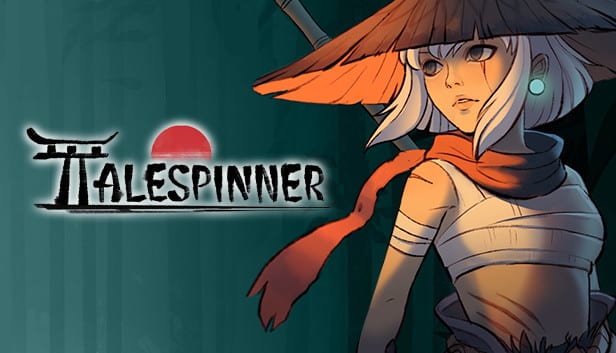
Talespinner ships on Steam and Nintendo Switch with three playable heroes, each with a private card pool, upgrade track, and combat rules that change how you draft, spend Story Points, and approach bosses. Flash Cat Games and Kwalee treat heroes as full alternate game modes inside the same roguelike skeleton—not reskins. Your hero choice locks certain synergies before you see your first reward screen, so this hub routes you to the right deep dives instead of repeating patch notes.
At launch the roster is small but dense: one hero, Gyokushin, has extensive public documentation from the demo and developer diaries; the other two launch heroes are confirmed in store materials but not yet broken out on this wiki with proper names. We describe them by playstyle archetype until official profiles land, and we will not invent fan names that could mislead searchers.
Where to start
New players should read Getting Started and How to Play first, then return here to commit to a hero. If you already know you want the jade monk loop—banking resources, breaking weak spots, and cashing out with Dragon Cards—open Gyokushin immediately. If you are comparing tempo, defense, and complexity before spending a weekend on runs, use Hero Comparison next.
Deckbuilder veterans can skim this hub and jump straight to Builds Tier Guidance and the card tier list for efficiency targets that still respect hero-specific mechanics.
Gyokushin — documented launch hero
Gyokushin is the warrior monk with a heart of jade featured in the public demo. His identity is slow, calculated scaling: expose enemy weak spots, channel hand cards into Jade, pay for Dragon Cards without spending motes, and spike damage with Fury that expires at end of turn. That quartet—Exposed weak spots, Jade, Dragon Cards, Fury—is the spine of his runs and the reason he feels distinct from generic strength decks in other roguelikes.
The dedicated Gyokushin guide walks through each mechanic with fight examples, links to Combat Basics, and points to video coverage embedded on that page. Treat Gyokushin as the wiki’s reference implementation for weak spot play and resource banking.
The other two heroes — archetypes without invented names
Store pages and interviews confirm two additional heroes at launch, each with unique mechanics and upgrade paths, but public dev diaries have not yet published full breakdowns comparable to Gyokushin’s. Until those posts exist, use these archetype labels only as planning shorthand—not as official character names.
Archetype A — tempo and pressure. This hero profile, as described in broad preview language, suits players who want fights to end quickly and who prefer spending motes every turn rather than banking a secondary resource. Expect aggressive strike cards, fewer setup turns, and rewards for chaining kills before enemy patterns stabilize. Pair this mindset with the Hanzo Hattori scenario when you want a narrative that already rewards forward momentum.
Archetype B — charm, control, and attrition. The second unrevealed profile leans toward players who value charm branches, status answers, and longer fights where companions and debuffs matter. This aligns with learning Charm vs Fight Yokai and the Yuki Onna scenario overview even though scenarios remain separate from hero identity. When official names and kits publish, this hub will swap archetype labels for dedicated pages without rewriting scenario guides.
If a hero page is missing, assume information is not yet verified—check Updates after patches and demos.
How heroes interact with the rest of the wiki
Hero choice does not replace scenario choice. You still pick myth paths—pursued by Hanzo’s clan or hunting Yuki Onna—and still spend Story Points in the Storybook. Companions from tier guidance attach to the hero you are playing, not to a scenario flag, so read companion notes with your hero’s defensive profile in mind.
For cross-run planning, use Hero Comparison when two players disagree about “best hero,” and remember tier lists on this wiki are guidance, not gospel. Metas shift when Flash Cat ships balance passes; the Updates hub tracks those changes.
Related pages
- Gyokushin — Jade, Dragon Cards, Fury, Exposed weak spots
- Hero Comparison — pick a hero for your first clear
- Tier List Hub — cards, builds, companions
- Guides Hub — onboarding and combat fundamentals
- Review — high-level take on variety and difficulty
Frequently Asked Questions
Quick answers to the most common Talespinner questions.
How many heroes are in Talespinner at launch?
Three playable heroes ship with the 2026-08-06 release on Steam and Switch. Gyokushin is documented in depth on this wiki; the other two are described by archetype until official profiles publish.
Which hero is best for beginners?
Gyokushin is the best-documented starting point because the demo teaches his Jade and weak spot loop. Hero Comparison explains tradeoffs once you want a faster or more control-oriented archetype.
Do heroes share the same card pool?
No. Each hero has unique mechanics and hero-specific cards that upgrade during runs, plus shared rewards from events and shops. Draft plans must respect your hero’s payoffs.
Will unnamed heroes get their own pages?
Yes. When Flash Cat or Kwalee publish verified names and kits, we add dedicated pages and replace temporary archetype labels—without inventing proper names early.