How to Play Talespinner
Understand one full run from hero select to biome boss—then repeat with smarter choices.
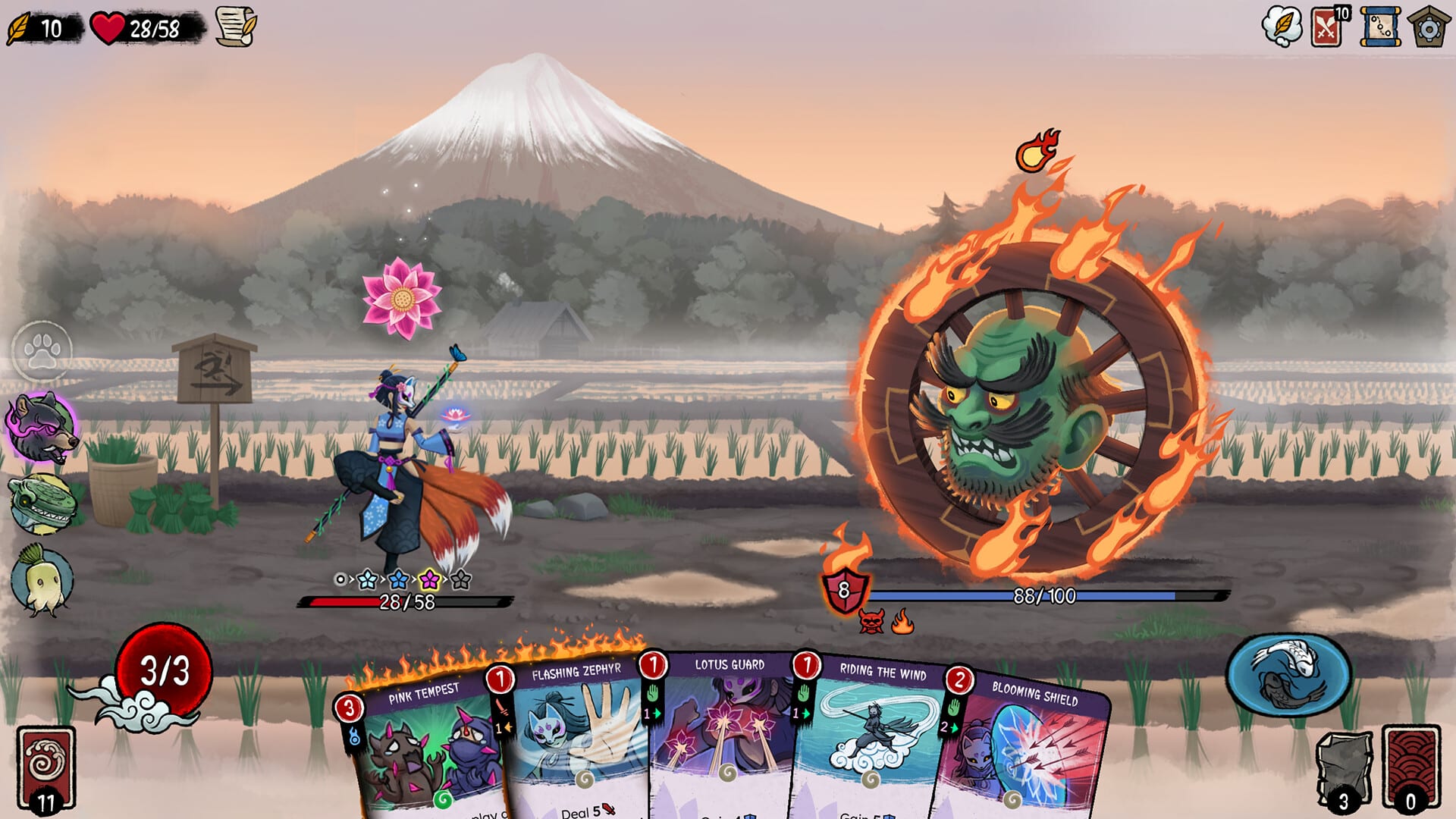
Talespinner turns Japanese folklore into a single-player roguelike deckbuilder. You choose a hero, build a deck as you travel, resolve card battles against yokai, and spend narrative currency on optional Storybook encounters before facing a biome boss. Flash Cat Games developed the game; Kwalee publishes it on Steam and Nintendo Switch, with a worldwide release on 2026-08-06. There are no redeem codes—every advantage comes from learning systems and unlocking content across runs.
This page explains the full loop so you can place detailed pages like Getting Started and Combat Basics in context. When you want hero specifics, open Players and Gyokushin; when you want efficiency targets, use the tier list and builds hub.
What a run is trying to accomplish
A run is a self-contained story with a win condition: defeat the boss at the end of your current biome or scenario path. Along the way you gain cards, relic-like bonuses, companions, and sometimes charms from yokai you did not kill. You also lose HP, discard weak cards, and make irreversible Storybook choices.
Roguelike structure means failure is normal. The goal of early runs is not perfection—it is identifying which cards actually win fights in your chosen biome and which Storybook branches cost too much HP for their reward.
Step-by-step: one run from start to finish
Choose a hero and scenario. Each hero bends rules differently. Gyokushin, the jade monk, revolves around Jade, Dragon Cards, Fury, and breaking weak spots—details live on his player page, but every hero still uses the same combat skeleton described in Combat Basics. Scenarios such as Hanzo Hattori or Yuki Onna remix enemies and narrative beats; skim Scenarios Overview before committing time.
Win early combats and draft cards. After most fights you pick new cards or upgrades. Prefer cards that solve your next two encounters, not only the boss. Synergy matters, but so does block, draw, and weak spot access—use the deck synergy tool if you are unsure whether a pick fits your curve.
Spend Story Points in the Storybook. Between major nodes, Story Points unlock optional encounters: extra battles, events, shops, or story beats. They are the main way you steer a run mid-course. Read Storybook Encounters and the Story Points tool so you do not burn currency on low-value pages while the boss still expects a finished deck.
Meet yokai: fight or charm. Many spirits offer a branch. Fighting yields card rewards and XP-style progression within the run; charming can grant companions, buffs, or narrative perks at the cost of skipping combat loot. Charm vs Fight Yokai breaks down when each option wins runs.
Manage biomes and companions. Biomes change enemy sets, event pools, and visual tone. Companions modify combat or Storybook outcomes depending on how you acquired them. Treat companions as part of your deck plan, not flavor—boss fights assume you used mid-run systems, not only starter cards.
Prepare for the boss. Bosses use clearer telegraphs but punish greedy hands. How to Beat Bosses covers pacing, defensive turns, and weak spot windows. Arrive with enough HP to survive one misread and enough block or removal to answer the boss’s signature card.
Win, unlock, repeat. Clearing runs unlocks cards, scenarios, or meta progression depending on current game version—check Updates after patches. Read the review if you want a concise opinion on difficulty and variety before grinding.
Deckbuilding habits that transfer across heroes
Keep a low curve for the first biome act, then let synergies expand. Remove dead draws when the game offers cuts. If a card only shines against one enemy type in the biome, it is often a skip. Dragon-heavy plans on Gyokushin still need basic defense; Fury spikes mean nothing if you die the turn before you play them.
Weak spots are not optional trivia on elites and bosses. Breaking them converts tough fights into manageable ones. If your deck cannot target weak spots reliably, fix that in Storybook shops or charm rewards before the finale.
Where to go next on the wiki
Use the Guides hub as your map. New players should chain Getting Started → this page → Combat Basics. Players stuck on mid-run events should prioritize Storybook Encounters and Story Points. Players losing only on finales should read How to Beat Bosses and compare their hero page on Players.
Talespinner rewards players who read telegraphs and plan three nodes ahead. Play one full run with this outline in mind, note where HP vanished, then reread the linked guide for that stage— that loop is how deckbuilders turn into wins.
Frequently Asked Questions
Quick answers to the most common Talespinner questions.
Is Talespinner multiplayer or cooperative?
No. Talespinner is single-player only. Every run is solo card combat and Storybook choices on Steam or Switch.
What are Story Points used for?
Story Points unlock Storybook encounters between major fights—optional battles, events, and branches. See Storybook Encounters and the Story Points tool.
Can I redeem codes for cards or currency?
No. The game has no redeem codes. Progress comes from runs, unlocks, and better decisions—not pasted promo strings.
Should I fight or charm yokai?
Both are valid. Fighting usually gives card rewards; charming can grant companions or buffs. Match the choice to your deck plan and HP budget.
Which platform should I buy?
Steam and Nintendo Switch share the same core rules. Pick the platform you prefer for deckbuilders; use Controls for input specifics.