Talespinner Node Planning Guide
Six nodes per stage—free edges, paid middles, and when to heal before tough battles.
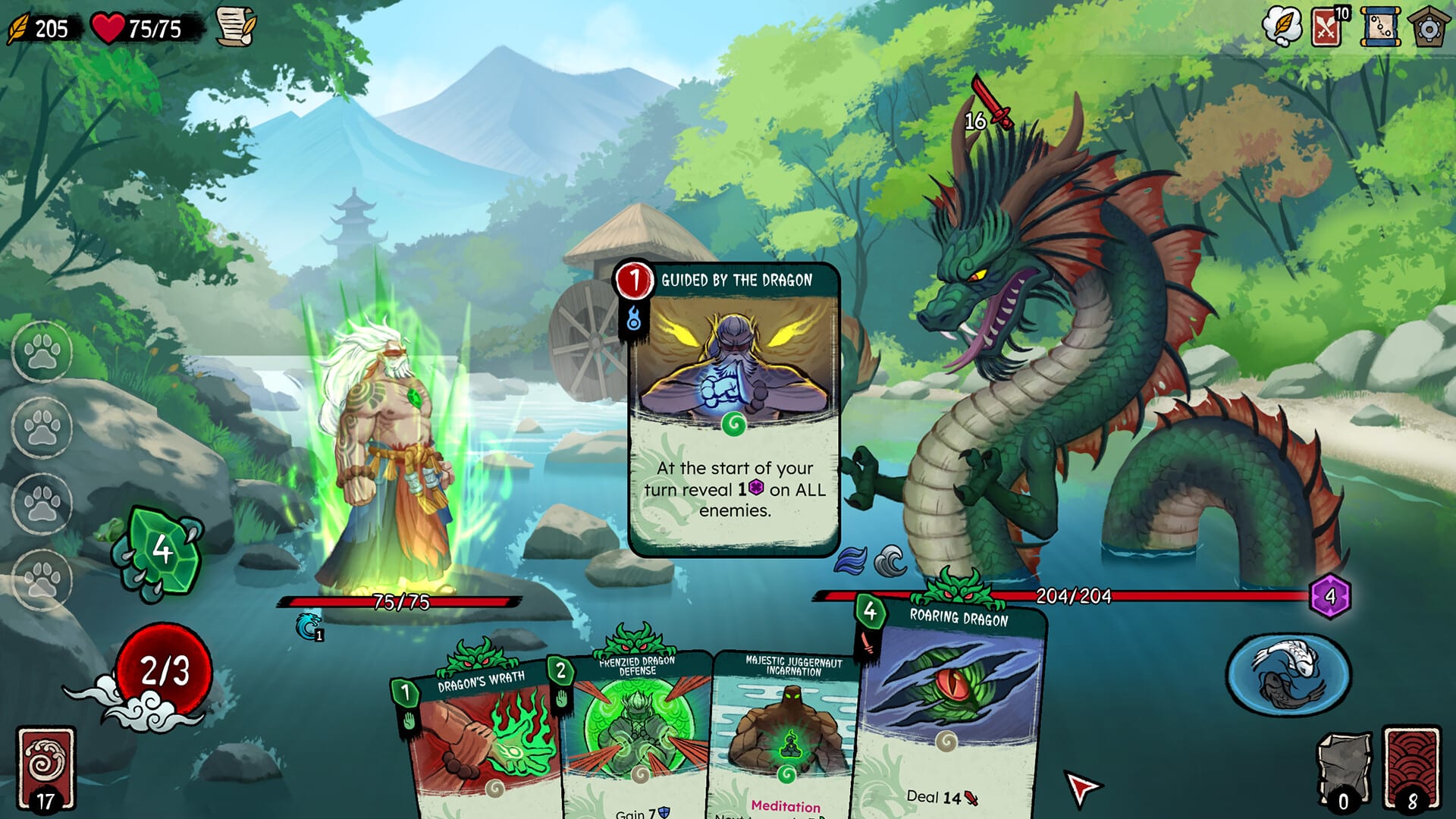
Every Talespinner run on Steam or Nintendo Switch is a forward-only path through combat, events, and Storybook choices. Flash Cat Games and Kwalee structure each stage as a small graph: typically six nodes you navigate one step at a time, with free queue edges on the sides and Story Point–gated middle options that buy extra fights, shops, or narrative beats. Planning those six stops correctly matters more than memorizing a single combo on Gyokushin or a tempo archetype hero—especially on 5- and 7-stage difficulties where HP errors compound.
This guide explains node types (battle, tough battle, event, campfire), the ~30% heal on campfires, how free edges differ from paid middle pages, and when to detour for shops. Pair it with Storybook Encounters, the Story Points tool, and Biomes and Map for biome flavor on the same icons.
Six nodes per stage: the default rhythm
Think of a stage as a chapter with six node slots arranged so you usually enter from one edge and exit toward the next stage gate. You cannot backtrack; skipping a branch abandons everything on that subtree unless the map merges later.
Within those six nodes you will see a mix of:
- Battle nodes — standard yokai fights with card draft rewards; may offer charm branches per Charm vs Fight Yokai.
- Tough battle nodes — elites with higher reward quality and sharper intent lines; common loss source if you chain them without healing.
- Event nodes — narrative choices, trades, or Storybook-adjacent outcomes; read text before accepting HP taxes.
- Campfire nodes — rest stops that heal roughly 30% of max HP (verify exact rounding in your patch tooltip); critical before tough battles or boss clusters.
Shops may appear as their own icon or inside Storybook pages depending on stage layout and scenario flags. Treat any gold spend as part of the same plan—see How to Play for where shops sit in the macro loop.
Free edge paths vs paid middle
Stage graphs distinguish free queue edges from middle nodes that cost Story Points:
Free edges — walking the outer path costs no Story Points. You still fight mandatory battles and events on that route, but you are not spending narrative currency to unlock optional chapters. Free paths are how you preserve Story Points for a high-value shop later or a boss-prep page.
Paid middle — central nodes often require Story Points to open Storybook encounters: bonus combats, premium shops, twists, or lore branches. Middle content is where decks get fixed or ruined—extra card rewards if HP allows, or extra damage taken before a tough battle.
Beginners burn points on middle combat while free edges already offered enough fights (Beginner Mistakes). Veterans skip free edges entirely and starve themselves of drafts. Balance means: take middle pages when they solve a named deck hole; walk edges when HP is shaky or points must survive until the next act.
Use the Story Points tool to sketch typical costs before you commit mid-stage.
Campfire healing at ~30%
Campfire nodes heal about 30% of maximum HP. That is enough to recover from one sloppy fight, not enough to ignore three consecutive tough battles.
Campfire rules of thumb:
- Heal if you are below ~70% HP and the next icon is tough battle, elite, or a Storybook combat page you already paid for.
- Skip or delay campfire only if the next node is a safe battle you can block cleanly and a later campfire is guaranteed before the stage boss.
- Pair campfire timing with Neutral Narration learning runs—fewer Storybook penalties mean fewer surprise HP taxes before rests (Neutral Narration).
Campfires do not replace block discipline. They buy margin for misreads on later stages when Trick, Prank, or Envenomed stacks appear more often.
Tough battles: when to take them
Tough battle nodes trade HP for quality rewards—rarer drafts, upgrades, or resources for shops. They are correct when:
- HP is at or above your personal boss buffer (often 60–70% entering mid-stage).
- Your deck has block and weak spot access for the biome’s elite pool.
- You are not about to spend remaining Story Points on another combat page in the same stage.
Skip or detour via free edges when:
- You are already debuffed with Muddy, Exhaust, or hand disruption you cannot clear.
- The next node is a campfire and you only need ~30% recovery to stabilize.
- You are learning a new scenario on 3-stage difficulty and still mapping intents (Scenarios Overview).
Chaining two tough battles without campfire or shop mitigation is a classic seven-stage loss line.
Shops within the six-node budget
Shops fix decks: removals, upgrades, block, draw, companion slots (demo shop additions foreshadow live economy per Updates). Prioritize shops when:
- You carry two or more dead draws.
- You lack weak spot reach before an elite-heavy stage.
- Middle Storybook offers a shop page and your free edge path does not.
Do not shop for synergy fluff while missing basic defense—Combat Basics and the deck synergy tool exist to break those ties.
Events and Storybook overlap
Event nodes and Storybook pages can duplicate each other’s functions—optional trades, charm setups, Plot Twist triggers. When a middle node opens the Storybook, you are spending both navigation time and Story Points.
Align event choices with stage goals:
- Act one: information and fixes, not greedy rares.
- Act mid: spend points on shops or removals.
- Pre-boss stage: favor survival and block over optional combat unless the reward completes your win condition (How to Beat Bosses).
Plot Twists from Difficulty Modes can modify which middle pages appear or how harsh event outcomes are—recheck node icons after enabling twists.
Scenario and hero notes
Hanzo Hattori routes may cluster combat-forward nodes; Yuki Onna routes surface more events and charm tests (Hattori Route, Yuki Onna Route). Gyokushin runs care less about biome skin than about whether tough battles arrive before Fury turns are online (Gyokushin). Tempo and control archetypes should still respect the same six-node math even when their combat pacing differs (Hero Comparison).
Sample stage plan (5-stage difficulty)
- Enter via free edge battle; draft block.
- Optional middle shop page if a dead draw appears—spend Story Points.
- Campfire if below 70% HP.
- Tough battle only if campfire recovered you; otherwise take free edge event.
- Free edge battle for draft.
- Exit toward next stage boss prep—hold 1–2 Story Points for emergency shop if the book offers one.
Adjust for your scenario and patch-specific node icons; the principle beats memorizing one map seed.
Related guides
- Storybook Encounters — page types and priorities
- Story Points tool — cost budgeting
- Node-adjacent mistakes — common errors
- Difficulty Modes — 3/5/7 stage context
- Biomes and Map — visual biome overlays
Node planning is how you turn Talespinner from a card lottery into a route you chose. Six nodes per stage sounds small until a paid middle fight steals the HP you needed for the boss—plan the chapter before you click the icon.
Frequently Asked Questions
Quick answers to the most common Talespinner questions.
How many nodes are in each Talespinner stage?
Stages typically present six nodes arranged with free edge paths and optional Story Point middle pages. Exact icons vary by scenario and biome.
What is the difference between free edges and middle nodes?
Free edge paths cost no Story Points to traverse; middle Storybook nodes spend Story Points for optional fights, shops, or events with higher variance.
How much do campfires heal?
Campfire nodes heal roughly 30% of maximum HP. Use them before tough battles or elite chains when you are below a comfortable buffer.
Should I always take tough battle nodes?
No. Take them when HP and block are stable and rewards fix your deck. Skip or detour when debuffs stack or campfires are nearby.
Where do shops appear in node planning?
Shops may appear as map nodes or Storybook middle pages. Prioritize them when you need removals, upgrades, or core defense—see Storybook Encounters.