Beginner Mistakes in Talespinner
Fix the habits that kill runs before difficulty or Plot Twists ever matter.
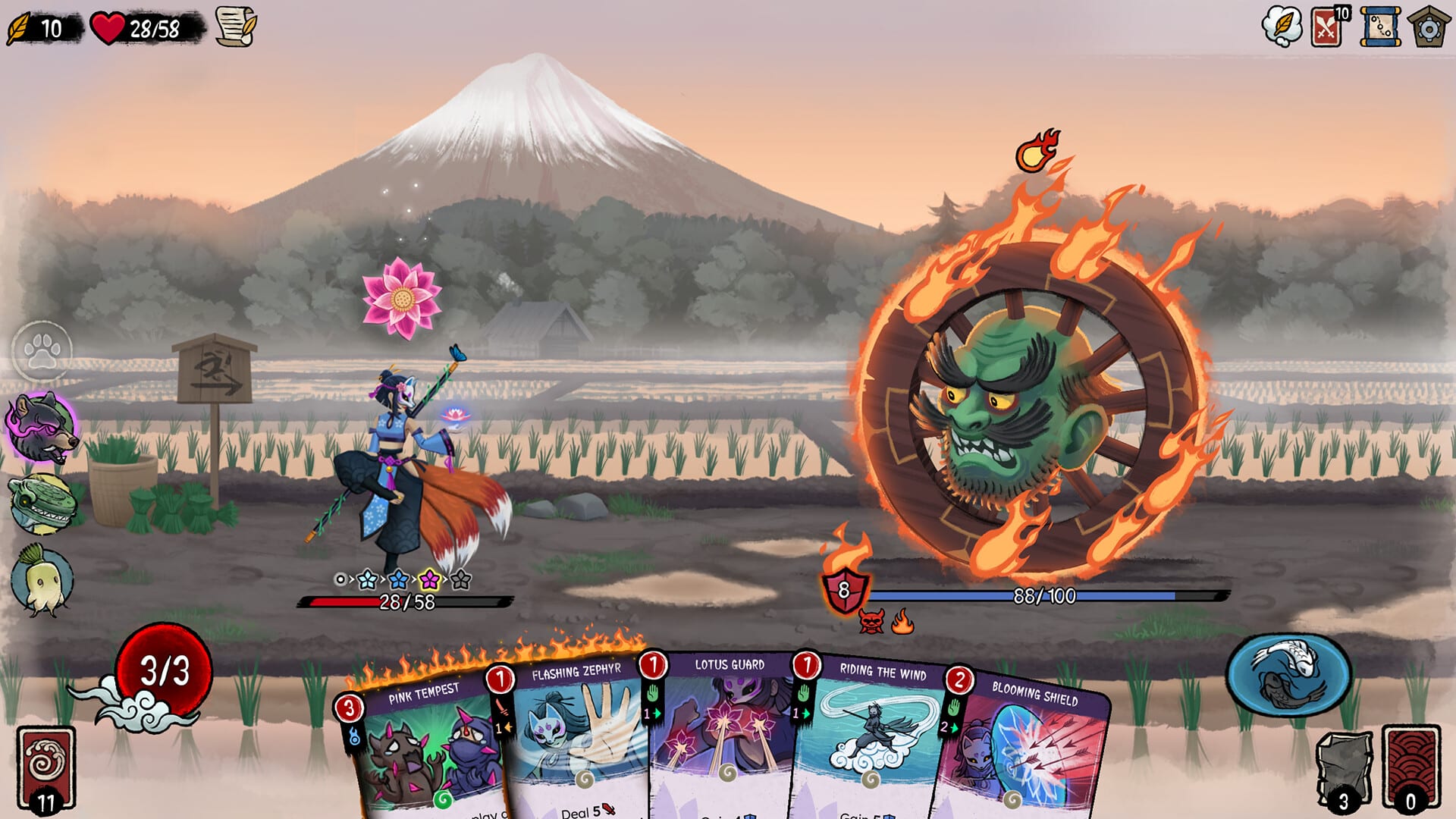
Talespinner launched 2026-08-06 on Steam and Nintendo Switch as a single-player roguelike deckbuilder from Flash Cat Games and Kwalee. There are no redeem codes—losses come from decisions, not missing pasted strings. Most early failures are not “bad RNG.” They are repeatable habits: attacking when block was mandatory, buying every Storybook page, charming for flavor while the deck lacks defense, or skipping Neutral Narration because it sounds boring. This guide names those mistakes, shows fixes, and points to deeper pages so your next run on any 3-, 5-, or 7-stage difficulty tier lasts long enough to learn.
Read Getting Started first if you have not finished a run. Pair this page with Combat Basics, Storybook Encounters, and Charm vs Fight Yokai when a section mirrors your last loss.
Mistake 1: Early over-aggression
New players treat energy as a timer. They play every attack card because idle energy feels wasteful, then die to a telegraphed heavy hit they could have blocked. Talespinner telegraphs intents clearly—especially on plains and early scenario stages—so aggression without intent math is self-inflicted damage.
Fix: Block to the incoming number first, then spend leftover resources on damage or weak spot breaks. Plan two turns: if the next enemy action applies Prank, Envenomed, or Muddy, you may need mitigation this turn even at the cost of Fury or Jade setup. Gyokushin players especially feel this when channeling for Dragon Cards—see Gyokushin for when banking beats swinging.
Tempo-archetype heroes punish this mistake less often but still lose if they ignore elites that stack Trick toward a burst at 10 stacks. Aggression is a resource commitment, not a default.
Mistake 2: Ignoring block and status answers
Block is not a “defensive hero” mechanic—it is how every hero survives to play synergies. Beginners skip efficient block picks in drafts because synergistic rares look exciting, then wonder why biome bosses feel impossible.
Fix: Draft one reliable block or mitigation package before chasing combo pieces. Add at least one answer to common statuses: cleanse or avoid Exhaust lines, respect Exposed windows on bosses, and do not let Envenomed chip you through multiple nodes without a campfire heal or charm recovery.
Cross-check picks with the deck synergy tool after shops, not only after combat rewards. How to Beat Bosses assumes you arrive with survival tools, not only burst.
Mistake 3: Wasting Story Points
Story Points unlock optional Storybook pages between major nodes—often six nodes per stage with free edge paths and paid middle content (Node Planning). Beginners either hoard points until the book closes unused, or buy every combat page while below half HP.
Fix: Before spending, write one sentence: “My deck’s biggest hole is ___.” Buy the page type that solves it—shop for removal, event for defense, combat only when HP and block are stable. Use the Story Points tool once you know typical costs.
Middle nodes cost Story Points; edge nodes are free queue steps. Burning currency on redundant fights when a shop would remove a dead draw is the fastest way to enter a tough battle underpowered.
Mistake 4: Charm vs fight without a plan
Randomly charming every yokai skips drafts; randomly fighting every spirit bleeds HP before campfires (~30% heal on campfire nodes). Neither extreme matches boss requirements.
Fix: Ask four questions from Charm vs Fight Yokai: current HP, deck holes, upcoming Storybook shops, and whether charm text helps the finale. Fight when you need cards and can afford HP loss; charm when defensive companions or buffs patch gaps combat loot would not fix.
Control-archetype heroes may default to charm in narrative-heavy biomes; tempo archetypes may need fight rewards to keep kill pace. Both need a plan, not a habit.
Mistake 5: Skipping Neutral Narration while learning
Neutral Narration arrived during Steam Next Fest demo updates: fewer rewards, no negatives on Storybook narration choices. Beginners skip it because lower rewards feel like “playing wrong,” then take high-risk narration that applies debuffs they cannot answer—wasting Story Points on pages that tax HP or hand quality.
Fix: On learning runs (especially 3-stage difficulty), default to Neutral Narration until you can predict narration outcomes. Read Neutral Narration for when to graduate to risky narrations and Difficulty Modes for when Plot Twists stack on top.
High-risk narration can spike rewards on 5- and 7-stage clears once your deck has answers; it is not homework for run one.
Mistake 6: Misreading node and difficulty structure
Beginners treat every node equally. They skip campfire heals before tough battles, take paid middle Storybook fights while edges offered free progression, or jump to 7-stage difficulty before repeating early stages on lower tiers.
Fix: Study Node Planning and Difficulty Modes. Heal at campfires when below ~70% unless the next node is trivial. Raise stage count only after boss losses come from misreads, not missing core cards.
Mistake 7: Chasing tier lists before fundamentals
Copying builds or cards tier list routes from creators who play with Plot Twists enabled while you still mis-block basics produces flashy decks that die to the same elite.
Fix: Finish one honest run, note the fight that ended it, then read the linked guide for that stage. Character leveling unlocks cards over time—unlocks reward persistence, not rerolling the opening ten times without reflection.
Mistake 8: Ignoring platform basics
Misclicks on Switch or unreadable tooltips on Steam still end runs. Beginners blame balance when the issue was input error.
Fix: Read Controls before blaming difficulty. Confirm node selection on the map—forward-only paths mean mis-clicks into caves cannot be undone (Biomes and Map).
Recovery checklist after a loss
- Was HP lost to unblockable damage or skipped block?
- Did Story Points buy combat instead of a shop fix?
- Was charm or fight chosen for story flavor without boss math?
- Was Neutral Narration available and ignored?
- Was difficulty tier or Plot Twist higher than current skill?
Answer honestly, open one linked guide, and change one habit next run.
Related guides
- Getting Started — first-run checklist
- Combat Basics — turns, block, weak spots
- Storybook Encounters — Story Point types
- Neutral Narration — low-risk Storybook learning
- How to Play — full run loop
Talespinner is forgiving once you stop fighting the telegraph. Fix these beginner mistakes and higher difficulties, achievements, and scenario clears become questions of execution—not luck.
Frequently Asked Questions
Quick answers to the most common Talespinner questions.
Why do I keep dying on easy enemies in Talespinner?
Usually unblockable damage from playing too many attacks instead of block, or ignoring status stacks like Trick or Envenomed. Read Combat Basics and fix intent math first.
Should I save all Story Points for the boss?
No. Spend on high-impact Storybook pages that fix deck holes mid-run. Hoarding leaves you underpowered; overspending on combat leaves you low on HP.
Is Neutral Narration only for bad players?
No. It is a learning tool with fewer rewards and no negatives—ideal until you understand narration tradeoffs. Skipping it often causes unnecessary debuffs.
When should I fight instead of charm yokai?
Fight when HP is stable and you need card rewards. Charm when HP is low or charm text grants defense or companions that help the boss. See Charm vs Fight Yokai.
What difficulty should beginners use?
Start on the 3-stage tier without Plot Twists until beginner mistakes here feel resolved, then move to 5-stage per Difficulty Modes.