Talespinner Review
A fan wiki take after launch—mechanics first, hype second.
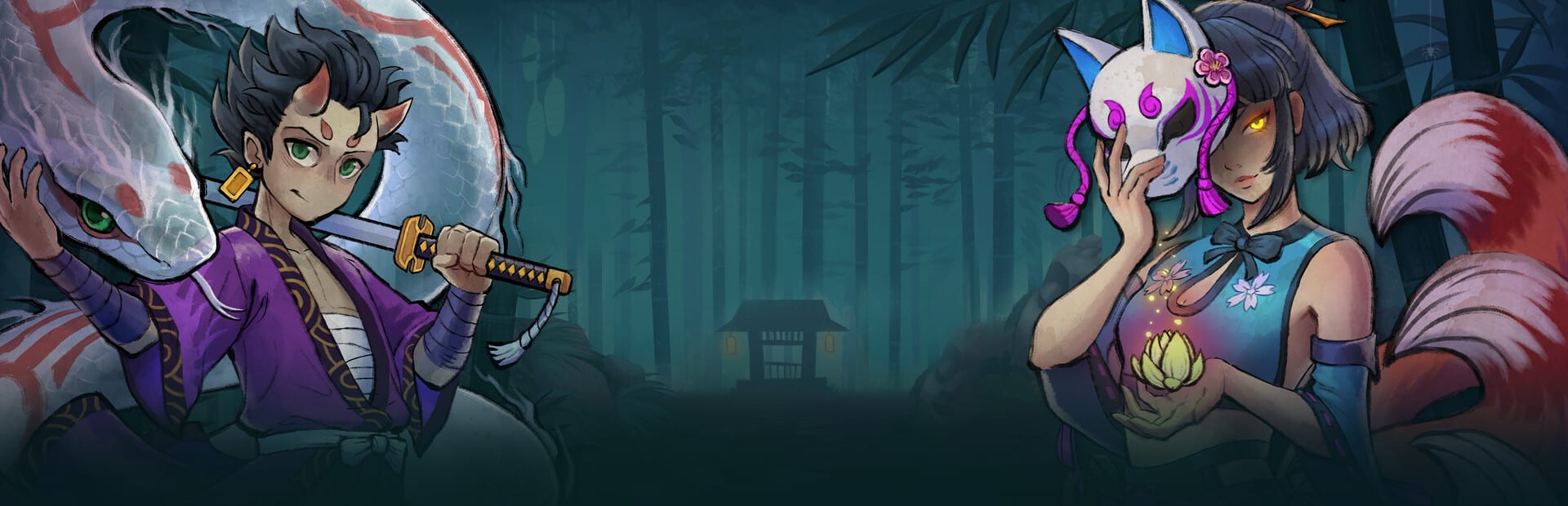
Talespinner is Flash Cat Games’ hand-drawn roguelike deckbuilder steeped in Japanese mythology, published by Kwalee, and released 2026-08-06 on Steam and Nintendo Switch. You pick one of three heroes, choose a myth scenario such as fleeing Hanzo Hattori or hunting Yuki Onna, then stitch together a deck from more than two hundred cards while recruiting fifty-plus companions, charming or fighting yokai, and spending Story Points on Storybook pages. Single-player only—no cooperative mode, no redeem codes, no live-service bait.
This review summarizes whether the full game delivers on demo promises after the Out Now launch window, incorporating post-preview player feedback and fest balance history. It is opinionated fan guidance, not a press embargo score.
What works
Combat depth and telegraphs — Turn flow rewards planning: weak spots, block, status windows, and enemy-specific tricks (Ronin hand cuts, Kitsune Prank lines) stay readable even when the art direction leans ink-wash fantasy. Combat Basics and Status Effects document the shared rules; the game itself teaches through repetition across its three difficulty tiers.
Trick builds shine — Status-heavy and misdirection strategies—what the community buckets as Trick builds—feel distinct from straight damage or block piles. Prank, Muddy, and exhaust pressure create puzzle turns that reward deck thinning and shop removals. See Trick Builds and Builds Tier Guidance for directed strategies; tiers remain guidance, not law.
Art and readability — UI resembles illustrated scrolls without sacrificing telegraphs. Jade counters, channeling hints, and status icons remain legible in long Gyokushin fights—a bar many stylized deckbuilders fail on both PC and Switch.
Hero identity — Gyokushin’s Jade, Dragon Cards, Fury, and Exposed loop plays unlike generic strength decks. The two additional launch heroes ship with distinct kits documented by archetype on Hero Comparison until official dev diaries name every card line publicly.
Narrative framing — Scenarios and Storybook narration make runs feel authored rather than random room chains. Neutral Narration lowers punishment for learners while aggressive narration still spikes rewards with debuffs—Neutral Narration explains the trade-off.
Companion and charm layer — Risky spirits prove companions are mechanics, not collectibles. Charm branches reward planning on Charm vs Fight Yokai.
Platform parity — Switch support matters for a turn-based game; controls are manageable though PC remains the crisp default for dense card text. Achievements (38 on Steam) and difficulty unlocks track across platforms with the same rule set.
What to temper expectations on
RNG frustration — Post-preview impressions note that card rewards, event rolls, and elite timing can end otherwise stable runs. Talespinner is roguelike-first; mitigation comes from Node Planning, Neutral Narration safety, and shop removals—not deterministic drafts.
Difficulty length and repetition — Three global difficulties scale run length: roughly 3, 5, and 7 stages respectively per community measurements at launch. Early biomes overlap across tiers, so learning routes can feel familiar until twists and ascension-style modifiers diverge. Difficulty Modes breaks down pacing and unlock expectations.
Story thin vs Story Points branding — Marketing emphasizes storyteller agency, but moment-to-moment writing is lighter than the Story Points economy suggests. Narrative depth lives in scenario framing, yokai events, and Storybook choices more than voiced cutscenes. Players who want novel-length plot should lean on scenario routes (Hattori, Yuki Onna) rather than expecting continuous script.
Content mapping — Three heroes and three scenarios are modest compared to genre giants, but card and companion counts add replay depth if synergies stay diverse after patches.
Documentation gap — Gyokushin is wiki-complete; other heroes need official dev diaries before we document every exclusive card without inventing proper names.
No codes or multiplayer — Progress comes from runs, unlocks, and Achievements, not pasted strings or friends list boosts—fine for purists, disappointing for bargain hunters seeking codes pages.
Who should buy
Buy on Steam or Switch if you enjoy Slay the Spire–style planning with stronger narrative dressing, you like Japanese folklore aesthetics, you want Trick or Jade-focused builds to experiment with, and you accept roguelike variance.
Wait or try the demo if you need fully documented rosters before purchase, you dislike repeating early biomes across difficulties, or you only play multiplayer deckbuilders.
Use the wiki if you already own the game and want structured guides—start Getting Started, then Difficulty Modes, Tier List Hub, and Tools Hub.
Scoreless summary
Talespinner earns its place in the 2026 deckbuilder wave through distinct hero verbs, Storybook agency, strong visuals, and companion risk. Trick builds and status puzzles are a genuine identity—not every run needs Dragon banking. Weaknesses are genre-standard: RNG spikes, overlapping early stages across difficulties, and story flavor that sometimes trails the Story Points brand.
For purchase links, see Wiki Hub. For launch discounts and bundles, see Updates. For mechanics depth, see How to Play and Beginner Mistakes.
Related pages
- Wiki Hub — official links
- Updates Hub — launch and patches
- Characters Hub — hero breakdowns
- Guides Hub — learn systems
Frequently Asked Questions
Quick answers to the most common Talespinner questions.
Is Talespinner worth it on Switch?
Yes if you want portable turn-based runs and accept reading smaller card text. Rules match Steam; Trick and status builds remain viable.
How long is a run?
Depends on difficulty tier: about 3, 5, or 7 stages plus Storybook side content. Plan one to three hours once you know systems.
Is Talespinner too RNG-heavy?
Variance is real—preview players cite swingy rewards and elites. Mitigate with Neutral Narration, shop removals, and conservative node plans.
Does Talespinner have microtransactions?
Store listings describe a premium purchase without redeem-code economies. Check platform stores for exact SKU pricing and launch discounts.
Is this an official review?
No. It is fan wiki guidance summarizing public facts and play impressions—not a scored outlet review.