Getting Started with Talespinner
A practical first-run checklist—no spoilers for late scenarios.
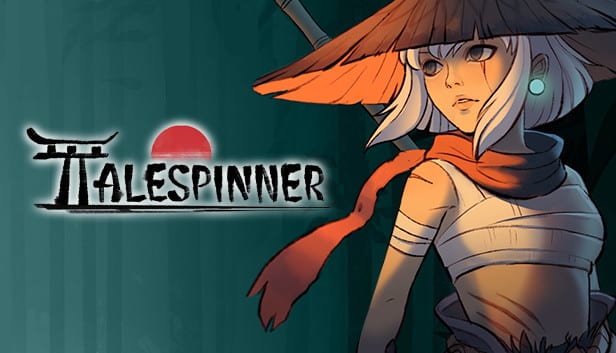
Welcome to Talespinner, a Japanese mythology roguelike deckbuilder from Flash Cat Games and Kwalee. If you picked it up on Steam or Nintendo Switch after the 2026-08-06 launch, this page gets you through a first run without guessing what Storybook pages or yokai choices mean. For the full run loop after you win or lose once, read How to Play; for every guide in order, start at the Guides hub.
Before your first fight
Install from your platform store and launch the game. Talespinner is single-player only—no cooperative mode queue, no online deck sync, and no redeem codes to paste. Progress comes from finishing runs, unlocking cards, and learning scenarios.
Open Controls on this wiki and spend two minutes mapping confirm, cancel, hand navigation, and target selection to your controller or mouse. Deckbuilders punish misclicks on defensive turns; muscle memory matters more than in real-time action games.
Adjust accessibility and speed options if the game offers them in settings. Read tooltips on keywords the first time they appear—status names stack across biomes.
Pick a hero for run one
You will see multiple heroes over time; early access often highlights Gyokushin, the jade monk built around Jade, Dragon Cards, Fury, and weak spot breaks. For run one, choose whoever the tutorial recommends or whoever has the clearest defensive tools—you need HP more than fancy synergies on day one.
Skim Players for roster overview and Gyokushin if you select him. Do not chase optimal builds until you have lost at least one run and understand why HP disappeared.
Your first biome: priorities
Win fights with block and simple damage. Early enemies teach block, weak spots, and status effects. Read enemy intents each turn. If a card only works when you already have a perfect hand, skip it in drafts until your deck supports it.
Draft for the next two nodes, not the boss. Boss guides like How to Beat Bosses matter later. Early picks should stop you bleeding on common yokai.
Learn weak spots early. Breaking weak spots turns tough encounters into fair ones. If your starter deck lacks access, prioritize rewards or Storybook pages that add weak spot tools—combat details live in Combat Basics.
Storybook and Story Points on run one
Between major fights, Talespinner offers Storybook encounters bought with Story Points. Think of them as optional chapters: extra battles, events, shops, or story. You cannot buy everything—spend on pages that fix your deck’s biggest hole (block, draw, removal, or weak spot reach).
Read Storybook Encounters after your first run. On run one, prefer safe pages over greedy gambles if your HP is below half. The Story Points tool helps once you know typical costs.
Yokai: fight or charm
The game frequently asks whether to fight a spirit or charm it. Fighting usually gives card rewards; charming can grant companions or buffs without combat loot. On your first run, default to fighting when you need cards and charming when you are low on HP and the charm text clearly helps defense or healing.
Full decision math is in Charm vs Fight Yokai. Either choice is valid—consistency beats random flipping.
Companions and biomes
Companions change how some encounters resolve. Treat them as run modifiers, not cosmetics. Biomes swap enemy pools and tone; you do not need to memorize every biome on day one, but notice which enemy types repeat so you can draft answers.
When you ready for structured paths, open Scenarios Overview for Hanzo Hattori, Yuki Onna, and other scenario differences.
After your first win or loss
If you lost: note the fight that ended the run. Was it missing block, weak spot damage, or Storybook greed? Reread the linked guide for that stage.
If you won: push one scenario or harder biome next. Compare your deck to tier list suggestions and test upgrades in the deck synergy tool.
Always: check Updates after patches and the review if you want a concise take on difficulty and content volume.
Suggested first-session checklist
- Read Controls and complete any in-game tutorial fights.
- Start one run with a defensive-minded draft plan.
- Spend Story Points on one shop or fix page, not every combat page.
- Make one deliberate charm vs fight choice and remember the outcome.
- Reach the boss—even a loss teaches telegraphs for How to Beat Bosses.
Talespinner clicks when Storybook planning and combat reads work together. One honest run plus the wiki pages above beats rerolling the same opening ten times without reflection.
Frequently Asked Questions
Quick answers to the most common Talespinner questions.
What should I do first in Talespinner?
Map Controls, finish the tutorial fights, then start a run focused on block and simple damage before chasing synergies.
Is Gyokushin good for beginners?
He is a strong learning hero if you read Jade, Dragon Cards, Fury, and weak spots on his player page—but any hero with clear defense works for run one.
How many Storybook pages should I buy early?
Buy fewer, higher-impact pages: shops or fixes for deck holes. Save aggressive combat pages until your HP and block are stable.
Does Talespinner have codes or daily login rewards?
There are no redeem codes. Progress is run-based unlocks and scenario mastery, not pasted promo strings.