Talespinner Difficulty Modes
Three run lengths, Plot Twists, and how repetition teaches before punishment scales.
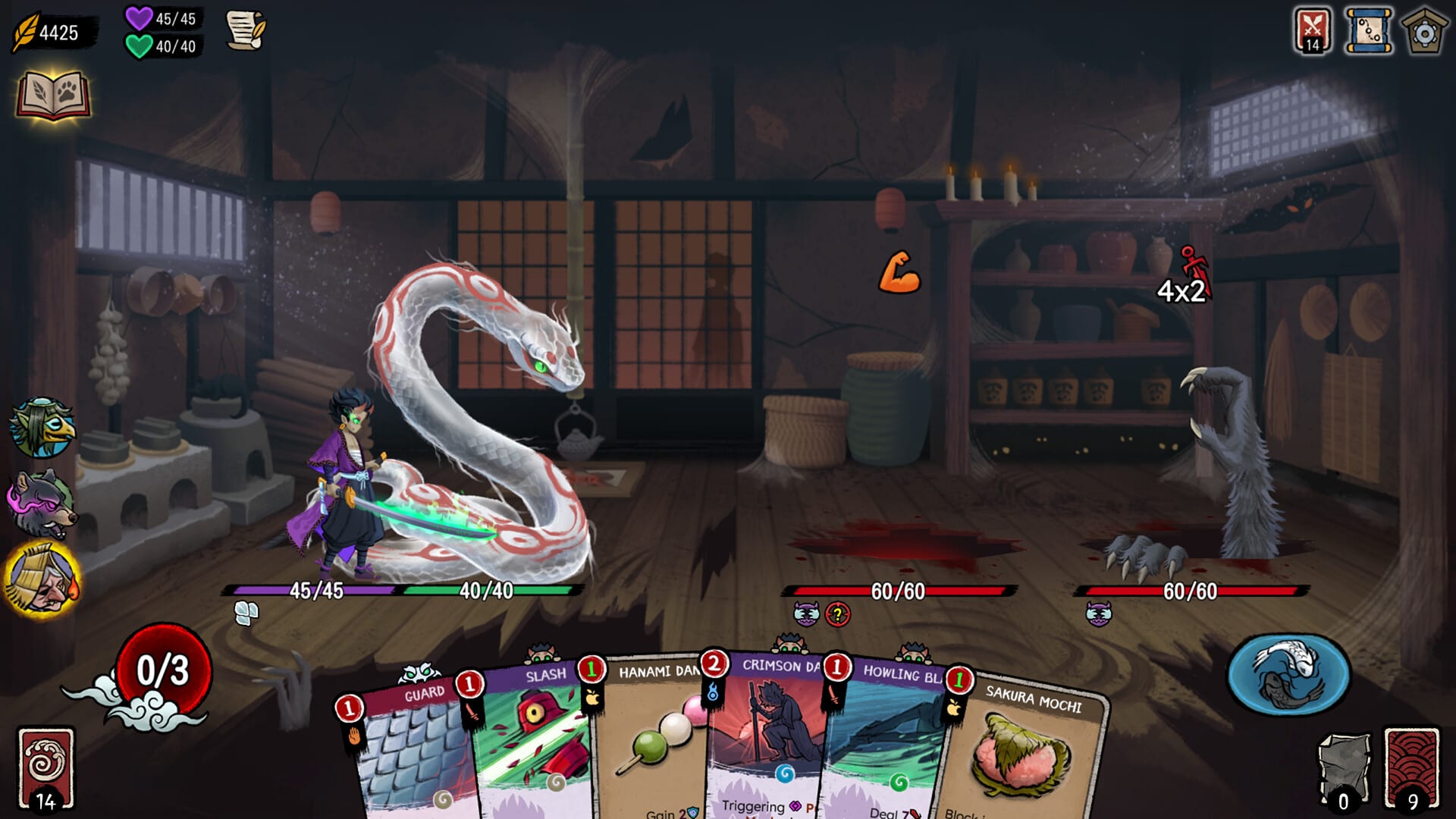
Talespinner ships on Steam and Nintendo Switch (worldwide 2026-08-06) from Flash Cat Games, published by Kwalee, as a single-player roguelike deckbuilder with no redeem codes. Progress comes from runs, character leveling that unlocks cards across heroes, and learning systems—not pasted promo strings. Before you chase 38 Steam achievements or push scenario clears, understand how the game’s three difficulty tiers reshape run length, enemy pressure, and how often you revisit familiar stages.
This guide explains stage counts (3, 5, and 7 stages per full run depending on tier), why early stages repeat between tiers, when to raise difficulty, and how Plot Twists turn a comfortable route into a punishing one. Pair it with How to Play for the full loop, Scenarios Overview when myth choice changes enemy tables, and How to Beat Bosses once fundamentals hold on your current tier.
The three difficulty tiers at a glance
Each difficulty setting changes how many stages you traverse before a run concludes or escalates toward a finale. At launch:
- Lowest tier — 3 stages per run. Best for first clears, control-archetype heroes still learning hand discipline, and players validating a new scenario like Hanzo Hattori or Yuki Onna without committing two hours.
- Middle tier — 5 stages. The default learning curve most demo veterans expect: enough room for Storybook spending, one or two deck pivots, and biome variety without the full marathon.
- Highest tier — 7 stages. Endurance test. Rewards and card density can look excellent mid-run, but HP errors compound across extra nodes—especially if you greed optional fights.
Stages are not interchangeable skins. Later stages pull from tougher encounter pools, apply more status pressure (see statuses below), and assume you used mid-run systems rather than limping on starter cards.
Why early stages repeat
Flash Cat designed difficulty tiers so early stages repeat across settings. You will recognize opening biome beats, first elite patterns, and introductory event pools whether you play three stages or seven. Repetition is intentional:
- Muscle memory — Block reads, weak spot breaks, and Story Point budgeting become automatic before length punishes you.
- Unlock cadence — Character leveling unlocks cards between runs; repeating early stages lets you trial new unlocks without facing seven acts of attrition on day one.
- Scenario teaching — Myth scenarios introduce unique hooks in act one. Replaying those beats on higher tiers later feels fair because you already know the narrative trigger, not because the game hid mechanics.
Treat repeated stages as training wheels you choose to keep spinning, not filler. When an early fight feels trivial on seven-stage mode, that is your signal to raise difficulty or enable twists—not to skip fundamentals.
Plot Twists and risk scaling
Plot Twists are optional modifiers that attach to difficulty selection (or post-clear ascension-style setups depending on menu flow at your patch). They skew rewards upward while altering rules: nastier intents, stricter Storybook narration outcomes, heavier status stacks, or economy taxes on shops. Demo history referenced ascension-style difficulty in tier discussions—launch builds carry that DNA forward.
Plot Twist risk is front-loaded ignorance. A twist that buffs enemy Trick stacks or Prank hand disruption looks fine until a tough battle node collides with a Storybook page you bought greedily. Before enabling twists:
- Clear the same scenario on the 5-stage tier without optional combat greed.
- Read Neutral Narration if Storybook penalties still surprise you.
- Confirm your deck has block, weak spot reach, and one answer to Envenomed or Muddy—statuses that scale with longer runs.
Twists are for players who want variance after achievements like “finish on highest tier” stop being novel. They are not mandatory for enjoying Talespinner’s folklore scenarios.
When to raise difficulty
Move up one tier when all of these are true:
- You reach biome bosses with HP buffer after optional content—not only when you skip every Storybook fight.
- You can name why a run ended without blaming hidden RNG (see Beginner Mistakes for common false excuses).
- Your hero plan works on more than one scenario. Gyokushin’s Jade and Dragon loop is documented; tempo and control archetypes should clear at least two myths before seven-stage pressure.
- You use Neutral Narration or low-risk Storybook choices intentionally, not because high-risk narration always bankrupts you.
Stay on a lower tier if you are still mapping node planning—six nodes per stage, free edge paths versus paid middle Storybook pages—or if Charm vs Fight Yokai decisions still flip randomly.
Status and combat pressure by length
Longer tiers expose you to more stacks of:
- Trick — stacks toward 10 for burst payoff windows; letting stacks climb on seven-stage runs without a clear plan is a common loss line.
- Prank and Envenomed — hand and HP attrition; elites apply these more often in later stages.
- Muddy, Exhaust, and Exposed — tempo and target priority checks; boss guides assume you can exploit Exposed turns.
- Fury, Jade, and Dragon Cards — Gyokushin-specific resources that reward longer fights when banked correctly (Gyokushin for kit depth).
Higher difficulty does not change keyword rules—it changes how often you must answer them while navigating node planning and Story Points.
Achievements, intro pricing, and bundles
Launch messaging marked Talespinner Out Now with an intro offer ending 2026-08-20 on participating stores—check Steam for current pricing after that window. 38 Steam achievements track clears, hero mastery, and challenge milestones tied to difficulty and twists; use them as suggestions, not proof you must rush to seven-stage Plot Twist runs.
Store bundles paired Talespinner with Wildmender, Montabi, and Hungry Horrors for deckbuilder fans buying multiple Kwalee titles. Bundle ownership does not alter in-game difficulty rules.
Recommended progression path
- 3-stage, no Plot Twists, Neutral Narration leaning — learn Getting Started loops.
- 5-stage, same hero and scenario — practice Storybook Encounters and Story Points tool math.
- 5-stage with one Plot Twist you read fully — test whether your deck solves the twist’s keyword.
- 7-stage when boss losses come from misreads, not missing core cards.
- Scenario swaps on Scenarios Overview before blaming tier length.
Related guides
- How to Play — run skeleton
- Scenarios Overview — myth-specific pressure
- How to Beat Bosses — finale pacing by tier
- Neutral Narration — safer Storybook learning
- Updates — post-launch twist tuning
Difficulty in Talespinner is a length and modifier contract, not a separate game mode. Pick the tier that matches the question you are trying to answer this session—mechanics first, bragging rights second.
Frequently Asked Questions
Quick answers to the most common Talespinner questions.
How many stages does each Talespinner difficulty have?
Launch tiers use 3, 5, and 7 stages per run. Lower counts teach repeats of early stages; higher counts add attrition and elite density.
What are Plot Twists in Talespinner?
Plot Twists are optional rule modifiers that increase risk—often paired with higher rewards—on top of stage-count difficulty. Enable them after you clear mid tiers cleanly.
Should beginners start on the 7-stage difficulty?
No. Start on the 3-stage tier with Neutral Narration or low-risk Storybook picks until block, weak spots, and node planning feel automatic.
Do difficulty modes affect character leveling unlocks?
Character leveling unlocks cards across runs regardless of tier, but lower tiers repeat early stages so you can trial new unlocks with less punishment.
Are Steam achievements tied to highest difficulty?
Some of the 38 Steam achievements reference clears and challenges on higher tiers or with twists. Treat them as long-term goals, not day-one requirements.