Talespinner Scenarios Overview
Pick the right myth, spend Story Points wisely, and know what each route expects before you commit.
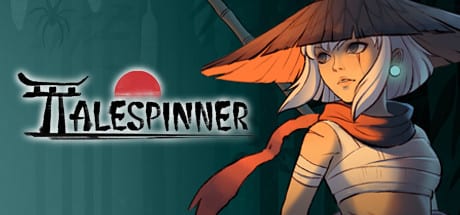
Talespinner is a single-player roguelike deckbuilder from Flash Cat Games and Kwalee, released on Steam and Nintendo Switch on 6 August 2026. Every run is framed as a scenario: a self-contained myth with its own tone, map emphasis, and boss cadence. Scenarios are not cosmetic skins. They change which yokai skew common, which Storybook pages you are nudged toward, and how forgiving the early economy feels when you misread a fight.
At launch, the two headline scenarios are Hanzo Hattori and Yuki Onna. Both use the same core loop—draw cards, spend energy, charm or fight yokai, rest at nodes, and push toward a scenario finale—but they teach different habits. Hanzo rewards aggressive tempo and clean kill chains; Yuki Onna rewards patience, status control, and picking battles instead of clearing every node. A third playable hero, Gyokushin, appears across scenarios and has his own mechanical identity; see the dedicated Gyokushin page for Jade, Fury, and Dragon Card details.
Before you choose a scenario, read How to Play for the run loop and Storybook Encounters for how narrative choices alter rewards. This overview sits between those foundations and the route-specific guides linked below.
What a scenario actually controls
Think of a scenario as three stacked layers.
Map and biome weights. Each scenario biases which regions appear on your procedural map. Bamboo groves, open plains, cave systems, haunted villages, and temple grounds still exist in both myths, but not with equal frequency. Hanzo runs tend to surface more combat-forward paths early; Yuki Onna runs more often offer charm branches and event-heavy nodes before the mid-game spike. For node types, icons, and biome hazards, use Biomes and Map.
Encounter and boss scripting. Yokai pools overlap, yet scenario flags shift elites and mini-boss order. The same yokai name can behave differently if the scenario attaches a modifier—extra frost on Yuki routes, or shorter telegraphs on Hanzo weapon tests. When a gate boss walls you, How to Beat Bosses lists pattern-first strategies that apply once you know which scenario you are in.
Storybook and Story Points. Wins and key choices feed Story Points, the metaprogression currency that unlocks pages in your Storybook—passive rules, starter bonuses, and encounter variants. Scenarios do not share identical Story Point curves: one myth might pay generously for flawless combats while another pays for charm successes. Track planning with the Story Points tool so you do not spread points across incompatible pages.
Hanzo Hattori scenario at a glance
The Hanzo scenario casts you as a legendary shinobi moving through a Japan where yokai have leaked into the human world. Runs feel fast and lethal. Early nodes often test whether you can kill before enemy intent resolves, and the deck you inherit encourages weapon synergies, low-cost strikes, and burst turns.
Hanzo is the default recommendation if you are new to deckbuilders or if you want to learn enemy telegraphs quickly. Losses still grant Story Points, but repeated early deaths usually mean you need cleaner fundamentals—see Controls for PC and Switch inputs, then return with a tighter opening plan.
Full route pacing, recommended first-act paths, and boss order notes live in Hanzo Hattori Route.
Yuki Onna scenario at a glance
The Yuki Onna scenario leans control, attrition, and charm value. Freezing, slowing, and skipping fights are often correct. Players who auto-fight every node will bleed resources before the mid-game boss. The scenario rewards reading Charm vs Fight Yokai and accepting that a peaceful resolution can fund a stronger deck later.
Yuki Onna is ideal after you understand intent icons and basic deck thinning. It is also the better myth if you prefer building around status engines and defensive scaling rather than one-turn spikes.
Deep dive: Yuki Onna Route.
Choosing your first scenario
Use this decision table mentally before you click New Run.
If you want to learn combat timing and boss patterns first, start Hanzo. If you want to learn economy and non-combat rewards first, start Yuki Onna. If you already cleared both once, alternate scenarios when testing Builds so you do not overfit to one map layout.
Both scenarios are fully solo. There is no cooperative mode queue and no shared lobby—plan breaks between runs, not between players.
Story Points between runs
Story Points persist across attempts within a scenario and typically across scenarios once pages are unlocked at the account level (exact unlock rules are documented on the Story Points tool page). Spend with a plan:
- Unlock pages that fix your recurring failure mode (survival, draw, charm payout) before luxury pages that only shine in perfect runs.
- Pair Storybook pages with the scenario you play most; a page that buffs charm is wasted if you only queue Hanzo aggro runs.
- Re-read Storybook Encounters after each unlock—new pages can silently change event text and rewards.
Scenario checklist before you commit
- Confirm input bindings on your platform (Controls).
- Skim the route guide for your chosen myth (Hattori or Yuki Onna).
- Note biome icons on the first map screen (Biomes and Map).
- Decide your charm policy for act one (Charm vs Fight).
- Bookmark boss advice for your scenario finale (Beat Bosses).
After your first clear
First clears are learning wins, not build proofs. Swap scenarios to force new map paths, then revisit Builds with concrete data—what killed you, which cards overperformed, which Storybook pages felt invisible.
For a broader take on value and pacing, the Talespinner review summarizes who the game suits and where difficulty spikes land relative to other roguelike deckbuilders.
Related route guides
- Hanzo Hattori Route — tempo, weapon lines, act-by-act priorities.
- Yuki Onna Route — charm routes, freeze engines, boss attrition.
- Biomes and Map — regions, nodes, and travel risk.
- Controls — Steam and Switch reference.
Frequently Asked Questions
Quick answers to the most common Talespinner questions.
Do Hanzo Hattori and Yuki Onna share the same Storybook?
They share the same Storybook system and Story Points currency, but some pages synergize better with one scenario’s rewards. Unlock broadly, then specialize once you know which myth you main.
Which scenario is easier for a first clear?
Most players find Hanzo Hattori faster to learn because fights teach core telegraphs early. Yuki Onna is easier only if you already comfort charm routes and skip aggressive paths.
Can I play Gyokushin in both scenarios?
Yes. Gyokushin is a hero option across scenarios with Jade, Fury, and Dragon Card mechanics. Scenario choice still changes map bias and bosses even when the hero stays the same.
Are scenarios locked behind Story Points?
Both headline scenarios are available at launch without grinding. Story Points unlock Storybook pages and quality-of-life bonuses, not the base myths themselves.
Does scenario choice affect achievements or Steam cards?
Platform achievements typically track clears and milestones per scenario or hero. Check your platform overlay after a win; this wiki focuses on in-run strategy, not account metadata.