Talespinner Charm vs Fight Yokai
When to duel for cards and when to win spirits over—with eyes on the biome boss.
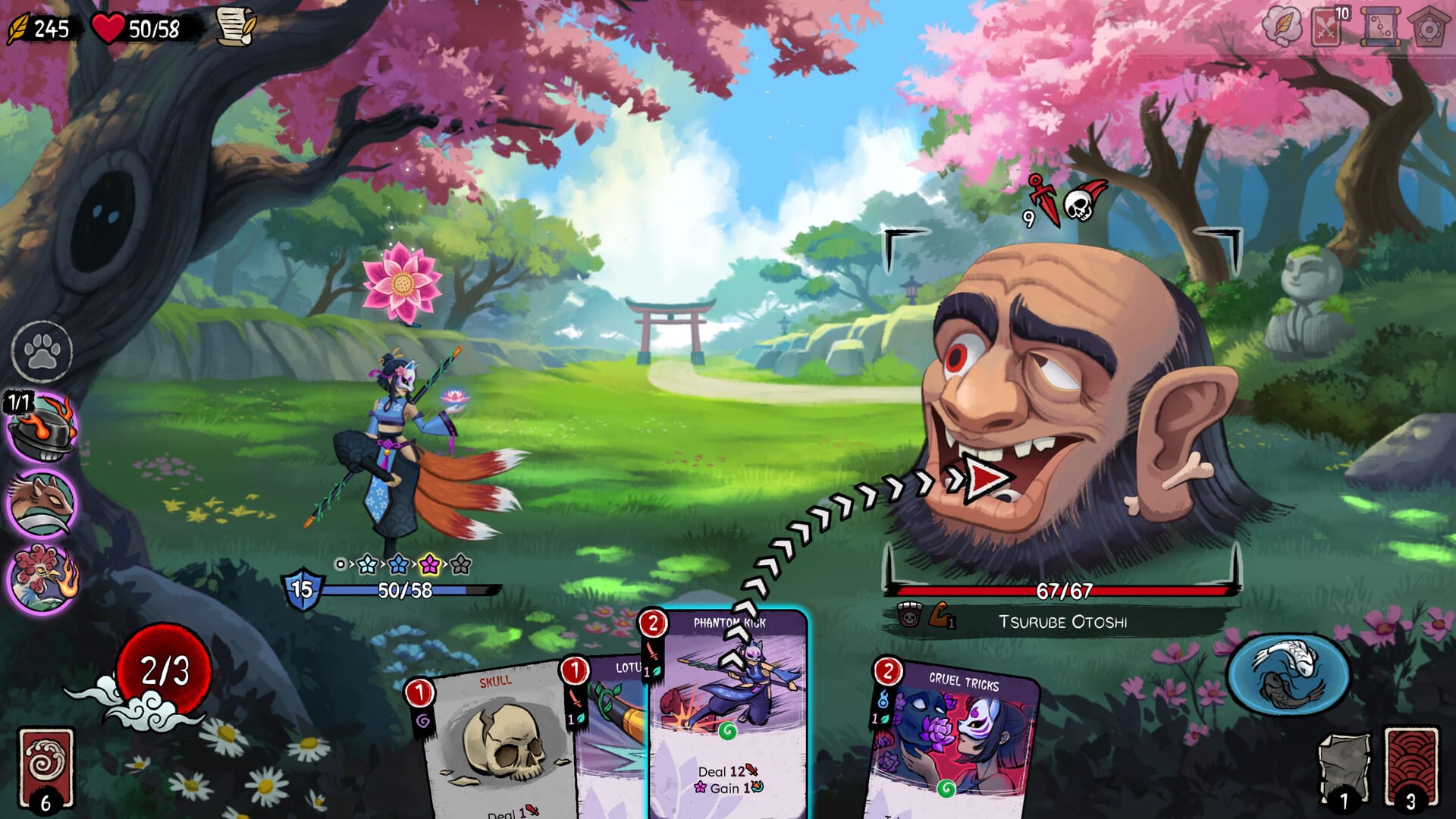
Yokai encounters in Talespinner often branch: fight the spirit in card combat or charm it through dialogue and ritual choices. Fighting usually grants card drafts, gold-like resources, and combat practice. Charming can skip the battle while offering companions, buffs, healing, or narrative perks that never appear on a standard reward screen. Neither option is always correct—the right pick depends on HP, deck holes, Storybook plans, and how close you are to the biome boss.
This guide complements Combat Basics and Storybook Encounters. For hero-specific payoffs after charms, see Players and Gyokushin. For finale requirements, read How to Beat Bosses before you charm every spirit and arrive underpowered.
What fighting gives you
Combat rewards feed the deckbuilder loop: new cards, upgrades, and sometimes resources for shops. Fighting also teaches enemy intents you will see again in the biome. If your deck lacks block, weak spot reach, or draw, combat pages and fight branches are often the safest way to fix problems—especially early in a run when Getting Started advice still applies.
Costs are HP and time. Optional fights—including some Storybook combat pages—can end a run if you greed while already low. Track HP after every fight; if two more combats would drop you below a comfortable boss buffer, start charming or shopping instead of chasing drafts.
What charming gives you
Charm paths trade combat loot for relationship outcomes. Companions may alter damage, block, or event options. Buffs can patch defense without adding a card. Some charms unlock story lines tied to scenarios like Hanzo Hattori or Yuki Onna—see Scenarios Overview when role-playing a path matters more than speed.
Costs are skipped drafts and sometimes irreversible narrative locks. A charm that removes a future combat reward can be worth it if the companion solves boss checks you otherwise fail. A charm that only adds flavor while your deck lacks block is a luxury pick.
Decision framework
Ask four questions before you click:
- HP: Can I afford this fight and still reach the boss with a misread buffer?
- Deck hole: Do I need cards more than companions or buffs right now?
- Story Points: Does my Storybook plan include shops that already fix the hole?
- Boss plan: Does the charm text mention defense, cleanse, or weak spot help for the finale?
If HP is shaky and the charm offers healing or a defensive companion, lean charm. If HP is strong and drafts still lack core tools, lean fight. If you are one node from the boss and the fight is optional, lean charm unless the reward explicitly completes your win condition.
Companions and biomes
Companions are not equal. Some shine in specific biomes or against status-heavy yokai. Read companion text like card text—include them in intent math on boss turns. When stacking companions from multiple charms, verify they synergize rather than duplicate the same minor buff.
Biomes change which yokai appear and which charm outcomes are common. A fight-heavy biome rewards consistent combat picks; a story-heavy biome may front-load charm opportunities. Adjust your default rule when enemy types shift.
Gyokushin and combat-heavy heroes
Gyokushin’s Jade, Dragon Cards, Fury, and weak spot loops often want combat drafts to assemble pieces. Charming every spirit can leave you without Dragon density or Fury enablers—check builds and the deck synergy tool before skipping another fight. Conversely, if Fury spikes never happen because HP is too low to survive setup turns, a defensive charm can unlock better Fury turns later.
Storybook interactions
Story Points buy pages that sometimes mimic charm outcomes—events with trades, spirits without standard battle UI. Align charm vs fight decisions with Storybook spending so you are not double-paying: fighting twice then charming for the same buff type, or charming then buying combat pages you no longer need.
Use the Story Points tool when planning a chapter with multiple branches.
Speedrunning vs first clears
Speed-focused players fight less when they know exact rewards and skip thresholds. First-clear players should fight more until combat reads feel automatic—see How to Play. The tier list reflects efficiency routes; do not copy them until fundamentals stick.
Ethical and narrative choices
Some players charm for story completion; others fight for 100% combat logs. Talespinner has no redeem codes—unlocks come from runs and scenarios, not pasted strings. Pick the branch that matches your goal for the evening, then commit without regret.
After patches
Charm tables and fight rewards can change. Read Updates when developers rebalance companions or draft pools. The review summarizes how often choices feel meaningful versus cosmetic.
Quick reference
| Situation | Lean fight | Lean charm |
|---|---|---|
| High HP, missing core cards | Yes | Rarely |
| Low HP, defensive charm text | No | Yes |
| Pre-boss, optional spirit | Rarely | Often |
| Scenario story goal | Depends | Often |
| Need weak spot tools | Yes | If charm grants them |
Return to the Guides hub for linked walkthroughs. Charm vs fight is not morality—it is resource management with folklore flavor. Choose the branch that makes your boss checklist true.
Frequently Asked Questions
Quick answers to the most common Talespinner questions.
Is charming yokai always weaker than fighting?
No. Charms can grant companions and buffs that outperform skipped combat loot—especially when HP is low or the boss needs defensive help.
Do companions from charms help on bosses?
Yes, when their text affects combat math. Treat companions like cards—include them in block and damage planning for finales.
Can I charm and still reach high tier builds?
Yes, but charm-heavy runs need Storybook shops and events to replace missed drafts. Use deck synergy and builds pages to fill gaps.
Does fight vs charm change scenarios?
Some branches alter story beats and rewards tied to scenarios like Hanzo Hattori or Yuki Onna. See Scenarios Overview for path goals.